


Twin Cities Real Estate FAQ: Local Insights for Buyers and Sellers
Real estate is local. Your agent’s job isn’t just to show homes—it’s to guide you through the nuances of the Twin Cities market.
Introduction
Buying or selling a home in the Twin Cities comes with unique opportunities and challenges. Whether you’re a first-time buyer, a seasoned investor, or preparing to list your home, understanding how the local market works can help you make smarter decisions. Below are ten of the most common questions I get from clients, along with my personal take based on years of experience in the Minneapolis–St. Paul area.
1. What makes the Twin Cities real estate market unique compared to other Midwest metros?
The Twin Cities isn’t terribly different from other Midwest metro areas. However, the real estate market here tends to be more conservative than in other major markets across the country. During the 2008–2009 downturn, prices didn’t collapse like they did in Florida or Arizona. On the flip side, growth tends to be steadier. Minnesota doesn’t see large migration swings, which keeps demand stable but moderate compared to faster-growing areas like Austin, Texas.
2. When is the best time of year to buy or sell a home in the Twin Cities?
For buyers, the best window is typically September through October. Inventory remains decent before the holidays, but there’s less competition, which often leads to better opportunities.
For sellers, late February through April is prime time. Many buyers want to close and move in spring or early summer to enjoy their new home through the warmer months.
3. How are interest rates affecting home prices in the Minneapolis–St. Paul area right now?
Interest rates have challenged buyers for the past few years, but many have accepted this as the new normal and are moving forward with purchases. The result is a phenomenon called “home-lock,” where homeowners with low rates hesitate to sell. Most movement is from life events—growing families, downsizing, or changes in circumstances. The luxury market above $1 million remains fluid since interest rates have a smaller financial impact on affluent buyers.
4. Which Twin Cities suburbs offer the best balance of schools, commute, and lifestyle?
First-ring suburbs like St. Louis Park, Edina, and Golden Valley are ideal for those who want easy access to downtown Minneapolis for sports, dining, and culture. On the east side, Roseville and Shoreview offer similar advantages near St. Paul.
For those seeking quieter communities with great schools and green space, Minnetonka, Plymouth, and Wayzata provide lake access, parks, and a family-friendly pace of life.
5. What should luxury buyers look for in western suburbs like Wayzata, Minnetonka, and Eden Prairie?
Luxury homebuyers should focus on long-term enjoyment and investment. Finishes can always be updated, but layout, setting, and neighborhood value matter most. The goal is to find a property that fits your lifestyle and holds its value over time.
6. How competitive is the market for first-time buyers in places like Plymouth or Maple Grove?
Exceptionally competitive. These areas feature diverse housing options, larger lots, and modern layouts that attract strong demand. While the price points may be higher than entry-level, serious buyers should act decisively when they find a property that meets their needs—chances are someone else will love it too.
7. What home features are Twin Cities buyers prioritizing in 2026?
Buyers want homes that feel cared for. Open, contemporary layouts are popular, as are flexible spaces for entertaining or family life. Outdoor areas have become increasingly important since the pandemic, offering a place to relax and enjoy Minnesota’s summer months. Stone countertops, neutral colors, and well-maintained flooring continue to appeal to most buyers.
8. How do lakefront properties in Wayzata or Minnetonka differ in value from similar non-lake homes?
Wayzata and Minnetonka are defined by their proximity to Lake Minnetonka—the Twin Cities’ premier body of water. Lakefront properties here are among the most valuable in the state. With limited supply and high demand, they command a significant premium, making “deals” rare but investments sound.
9. What are the key steps to preparing your Twin Cities home for sale?
Clean, clean, clean. Touch up paint or refresh dated rooms, and declutter personal items. Curb appeal is essential—keep your lawn tidy, trim shrubs, and power wash walkways. The moment you start thinking about selling, look at your home through a buyer’s eyes. Or better yet, contact me to walk through your property together and create a plan that fits your timeline.
10. Why should I work with a local Twin Cities real estate agent instead of a national brokerage or online platform?
Real estate is local. Your agent’s job isn’t just to show homes—it’s to guide you through the nuances of the Twin Cities market. From understanding HOA rules to pricing strategies and neighborhood trends, a local expert ensures your decisions are informed. As a Global Real Estate Advisor, my mission is to educate and empower my clients to make the best choices for themselves.
Thinking about buying or selling in the Twin Cities?
Contact Nick Sundahl with Lakes Sotheby’s International Realty for expert guidance in today’s market.
Your next move deserves local insight and world-class representation.
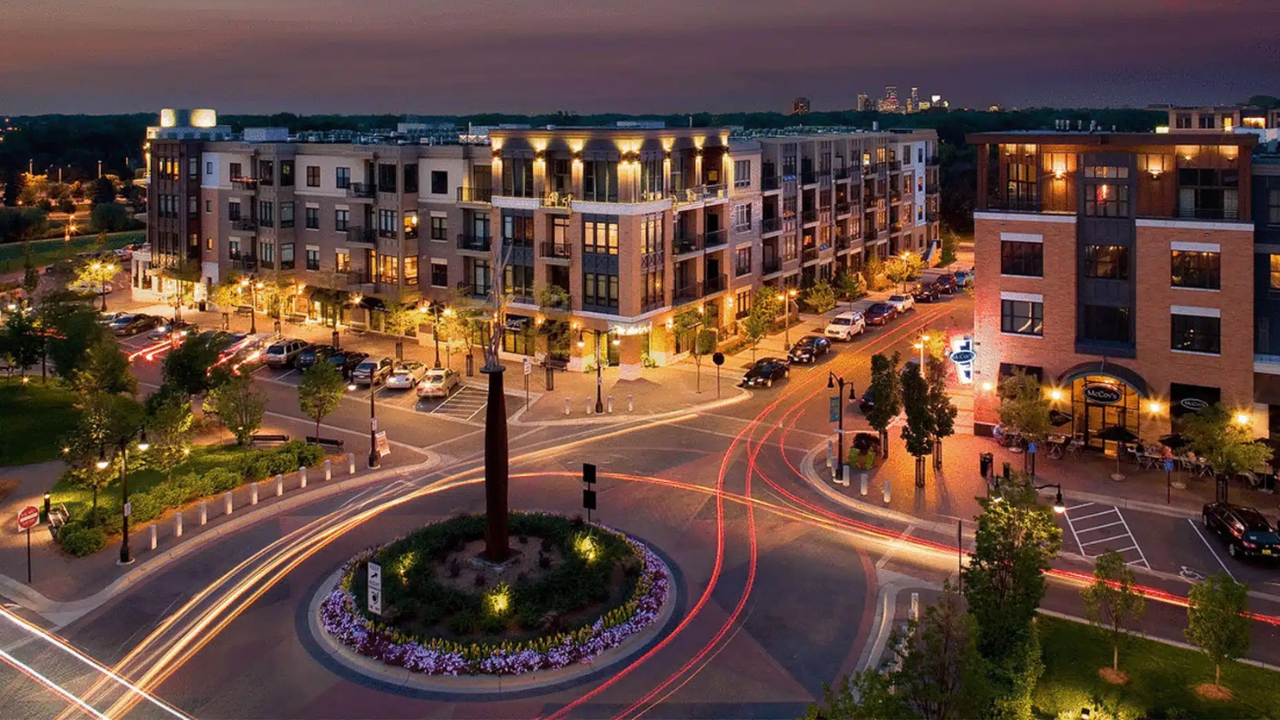
Living in St. Louis Park, MN: A Connected Community with Strong Market Appeal
The enduring appeal of St. Louis Park lies in its versatility. It attracts first-time buyers, growing families, and retirees alike—all seeking a neighborhood that offers both connection and comfort.
With strong schools, easy access to downtown, and a diverse housing mix, this suburb continues to be one of the Twin Cities’ top real estate markets. Whether you’re looking for a classic rambler or a new luxury build, St. Louis Park offers a lifestyle that feels both established and forward-looking.
Few Twin Cities suburbs balance urban convenience with neighborhood comfort like St. Louis Park, MN. Bordering Minneapolis to the west, this vibrant community of about 50,000 residents offers easy access to city amenities while maintaining a small-town feel. With its top-rated schools, diverse housing stock, and consistent real estate appreciation, St. Louis Park real estate remains one of the most sought-after markets in the Twin Cities.
Lifestyle: Urban Access with Suburban Ease
St. Louis Park offers the best of both worlds—proximity to downtown Minneapolis and a walkable, family-friendly neighborhood environment. Residents enjoy short commutes to major employers, access to boutique shopping, and plenty of green space.
The West End district serves as the city’s social and entertainment hub. With destinations like CRAVE, The Loop, and the ShowPlace ICON Theatre, it’s a go-to spot for dining, shopping, and nightlife. The area’s growing collection of condos and apartments has also become popular with professionals seeking modern living near Highway 100 and Interstate 394.

For outdoor recreation, residents enjoy Cedar Lake Regional Trail, a direct connection to Minneapolis and the western suburbs. Wolfe Park, Aquila Park, and Bass Lake Preserve offer year-round activities, from farmers markets and sports leagues to community concerts.
Schools: Academic Excellence with Community Support
Families are drawn to St. Louis Park Public Schools (ISD 283) for their strong academics and community engagement. The district includes four elementary schools, a middle school, and St. Louis Park High School, known for its International Baccalaureate (IB) program and diverse student body.
Private education options nearby include Benilde-St. Margaret’s, Blake School, and Groves Academy, providing a range of specialized and college-prep programs. Parents appreciate the community’s emphasis on inclusion and innovation, with programs that prepare students for success in higher education and beyond.
Considering Relocating??? Let’s Talk!
Market Trends: Strong Demand and Steady Appreciation
As of fall 2025, the St. Louis Park housing market continues to show strength despite shifts in interest rates. Median home prices average around $430,000, up roughly 4% year-over-year according to NorthstarMLS data.
Inventory remains limited, and well-maintained homes often sell within 25–30 days. Properties near the West End, Fern Hill, and Minikahda Vista neighborhoods see particularly strong competition.
Condos and townhomes along the Green Line Extension corridor are becoming increasingly attractive to young professionals and downsizers seeking low-maintenance, transit-connected living.
Housing Stock: Classic Charm Meets Modern Design
St. Louis Park’s architecture tells the story of its evolution. From post-war ramblers and Cape Cods to 1950s split-levels, the city’s homes are known for quality construction and timeless design.
Neighborhoods like Fern Hill and Minikahda Vista feature Tudor and Colonial-style homes, many within walking distance of the Minneapolis lakes. Meanwhile, new construction throughout the city adds modern layouts, energy-efficient systems, and contemporary finishes.
Luxury townhomes near the West End and boutique condos along Highway 100 cater to buyers who want modern comfort without losing proximity to the city’s amenities.
Market Outlook: Balanced Opportunities for Buyers and Sellers
The St. Louis Park real estate market currently offers a balanced environment. Sellers benefit from limited inventory, while buyers gain more leverage as price appreciation steadies.
Homes that are updated, staged, and priced competitively still attract multiple offers, especially in walkable areas near trails and shopping districts. For sellers, strategic timing—particularly in late spring or early summer—can make a measurable difference in sale price and time on market.
Why St. Louis Park Continues to Shine
The enduring appeal of St. Louis Park lies in its versatility. It attracts first-time buyers, growing families, and retirees alike—all seeking a neighborhood that offers both connection and comfort.
With strong schools, easy access to downtown, and a diverse housing mix, this suburb continues to be one of the Twin Cities’ top real estate markets. Whether you’re looking for a classic rambler or a new luxury build, St. Louis Park offers a lifestyle that feels both established and forward-looking.
Ready to Explore St. Louis Park Real Estate?
Thinking about buying or selling in St. Louis Park? Contact Nick Sundahl with Lakes Sotheby’s International Realty for expert guidance in today’s Twin Cities market.