

Explore This Charming Neighborhood: Walkable Homes & Parks! #shorts
Discover the charm of the North Tyrol neighborhood! Enjoy walkable streets downtown, scenic hills perfect for exercise, and multiple parks. A truly desirable location. #WalkableCity #UrbanLiving #NeighborhoodVibes #Homeowner #goldenvalley #northtyrol #midcenturymodern Learn why houses are selling a house in just 18 days in this neighborhood. We walk through the key factors like price, condition, and location that impact your home sale speed. If you are planning to sell, understanding these suburban market dynamics is essential for getting the best offer. Subscribe for more practical real estate tips to help you navigate your next move.

How Much Does a Real Estate Agent Cost in Minnesota?
People continue to choose full-service representation because the stakes are high and the process is complex. The right agent doesn't cost you money; they make you money.
By Nick Sundahl | Lakes Sotheby's International Realty
If you're getting ready to sell a home in the western Twin Cities suburbs, one of the first questions you'll ask is: what does a real estate agent actually cost?
It's a fair question, and the answer has changed more in the last two years than it did in the previous two decades. The 2024 NAR settlement shifted how commissions are disclosed, negotiated, and paid. If you haven't looked at this recently, here's what you need to know heading into 2026.
What the Average Commission Looks Like in Minnesota
The average total real estate commission in Minnesota is around 5.84%, which sits above the national average of 5.70%. That percentage splits between two agents: the listing agent (representing the seller) and the buyer's agent.
On a typical transaction, you're looking at roughly 2.96% to the listing agent and 2.88% to the buyer's agent.
Here's what that looks like in real numbers for west metro sellers:
$530,000 sale: approximately $30,950 in total commission
$750,000 sale: approximately $43,800
$1,000,000 sale: approximately $58,400
In a market like Wayzata or Minnetonka, where homes regularly sell above $700K, that commission figure adds up fast. That's why it's worth understanding exactly what you're paying for.
What Changed After the NAR Settlement
The 2024 National Association of Realtors settlement changed the mechanics of how buyer's agent commission gets handled. The old system had sellers quietly covering both agents' fees through the MLS. That's gone now.
In Minnesota, the MLS no longer shows preset buyer-agent commissions. If a seller wants to offer one, it's shared outside the MLS directly between agents. Buyers now sign their representation agreement with their agent before touring homes, so the money conversation happens earlier and with more clarity.
Buyers won't automatically pay more under the new rules. While buyers now negotiate their agent's fee directly, they can often offset that cost by asking the seller for a credit or including it in the purchase offer. In most cases, the overall cost of buying a home is about the same as before.
What this means practically: sellers have more flexibility now. You decide whether and how much to offer toward the buyer's agent, and that's documented in writing rather than buried in MLS data.
What Does the Listing Agent Commission Cover?
The listing fee (typically 6%) pays for more than someone putting a sign in your yard. At Lakes Sotheby's International Realty, a full-service listing includes:
Pricing strategy — a comparative market analysis to position your home correctly from day one
Professional photography and marketing — the Sotheby's network reaches buyers locally, nationally, and internationally
MLS exposure and digital syndication — your home shows up everywhere buyers are searching
Showings and feedback management — so you're not fielding calls from strangers on a Tuesday evening
Offer review and negotiation — where the right agent earns their fee back and then some
Transaction management from contract to close — inspections, appraisals, title, lender timelines, all of it
A full-service agent isn't just showing up to sign documents. In a west metro market where homes in the Plymouth-Wayzata area were selling for a median of $641K in early 2026 and spending an average of 56 days on market, the pricing and marketing decisions your agent makes in week one set the tone for everything that follows.
What the Buyer's Agent Commission Covers
In the Twin Cities, a common structure is roughly 3 to 3.5% to the listing side and about 2.5 to 3% to the buyer's side, for a total near 6% on full-service deals.
When you're buying, your agent's job includes:
Sourcing and showing properties, including off-market opportunities
Writing and negotiating competitive offers
Managing the inspection and due diligence process
Coordinating with lenders, title companies, and the listing agent
Getting you to the closing table without surprises
On a $641,000 purchase, a 2.5% buyer's agent fee works out to about $16,025. Under the new rules, your agent will present this in a written buyer representation agreement before you tour a single home. Read it, ask questions, and make sure you understand what you're getting.
Commission Is Negotiable — But Understand the Trade-Offs
Real estate commission rates are not fixed or set by law in Minnesota; they are fully negotiable. That's always been true, and agents worth working with will be direct with you about what they offer and at what price.
A few things to keep in mind when you see discounted commission offers:
Marketing budgets shrink. Professional photography, paid digital advertising, print materials, and the Sotheby's network access all cost money. Lower fees often mean lower marketing investment.
Experience costs money for a reason. Less experienced agents or those offering limited services tend to be more negotiable on fees. That flexibility often reflects the trade-off you're making.
The right pricing decision is worth more than the commission savings. On a $750,000 home, a 1% pricing mistake costs you $7,500. A skilled agent who prices your home correctly and negotiates firmly will recover their fee in the outcome.
That said, if you've found an agent you trust and your situation is straightforward, it's reasonable to ask what flexibility they have. A good agent will give you a straight answer.
What This Looks Like in Wayzata, Minnetonka, and Plymouth
West metro homes are not average Minnesota homes. When your property sells for $800,000, $1.2 million, or more, a percentage-based commission is a significant number. Luxury properties in areas like Wayzata and Lake Minnetonka sometimes see lower commission percentages, because of their higher sale price.
If you're selling a lakefront property in Wayzata or a custom home in Minnetonka, it's a reasonable conversation to have with your agent. Just make sure the service level matches what you're asking the market to pay for your home. These buyers are sophisticated, and the marketing needs to match.
A Few Common Questions
Do I pay my agent upfront? No. The real estate commission is automatically deducted from the sale proceeds at the time of closing. Until then, you won't owe any money to the real estate agent.
What if I want to sell without an agent? You have that option. You aren't required to hire a real estate agent to buy or sell a home in Minnesota, but the National Association of Realtors' 2024 Profile of Home Buyers and Sellers found that 90% of sellers used an agent. The paperwork, pricing, negotiations, and legal exposure are real. It's doable, but it's a significant undertaking.
Is it worth it? A 2025 Clever survey found that 91% of homeowners planning to sell within the next year intend to use a real estate agent and see them as an important part of the process. People continue to choose full-service representation because the stakes are high and the process is complex. The right agent doesn't cost you money; they make you money.
Thinking about selling in Minnetonka, Wayzata, Plymouth, or the surrounding west metro? I'd be glad to walk you through what your specific home could sell for, what a commission structure would look like, and what my marketing approach covers. No pressure, just a straight conversation.
I'm Nick Sundahl, Realtor® with Lakes Sotheby's International Realty. Reach out anytime.
Minikahda Vista, St. Louis Park, seeing massive equity growth in the past six years!
See how Twin Cities real estate generated $150k in home equity over just six years. This breakdown analyzes the specific market conditions and neighborhoods near Edina that drove this massive property value increase. If you are tracking local housing trends or looking to understand where equity is building fastest, this data is essential. Let me know in the comments if you want to see a deep dive on other Minnesota suburbs next.

How to Find a Trustworthy Realtor in Minneapolis
Buying your first home in Minneapolis or the west metro suburbs takes the right preparation and the right team. Your Realtor is the most important hire you'll make in the process.
Buyers want to know how to vet and select a reliable agent.
And whether you are buying your first home or needing to sell and buy at the same time, it is a huge financial decision you'll make. The agent you hire has a direct impact on what you pay, what you miss, and how smoothly the whole process goes. Yet most first-time buyers pick an agent based on a single recommendation or a quick Google search, without knowing what to look for.
Here's what to actually look for when you're vetting a Realtor in Minneapolis or the west metro suburbs.
*Start With the Right Questions
Before you talk to an agent, know what you want to learn. The goal isn't to be impressed by their bio; it's to figure out whether they know your market and will work for your interests.
Ask these questions directly:
How many buyers did you represent in the past 12 months?
What neighborhoods or suburbs do you specialize in?
How do you communicate with clients, and how often?
Who covers for you when you're unavailable?
Do you represent buyers and sellers simultaneously on the same transaction? (This is called dual agency — more on that below.)
An agent who stumbles on these questions, or gives vague answers, is telling you something.
*Look for Genuine Local Knowledge
Minneapolis and its suburbs are different markets. Wayzata operates differently than Plymouth. Minnetonka's inventory moves differently than St. Louis Park's. An agent who works all over the metro is often spread too thin to give you real insight on any one area.
Ask them to tell you about the last three homes they helped a buyer purchase. Where were they? What was the price range? Did they face multiple offer situations? What did they advise their clients to do?
Listen for specifics. A good agent talks about actual neighborhoods, real scenarios, and honest outcomes. A less experienced one gives generalities.
If you're looking in the west metro suburbs around Lake Minnetonka, make sure your agent has closed deals in those communities recently, not just years ago.
*Verify Their License and Credentials
Every licensed Realtor in Minnesota is searchable through the Minnesota Department of Commerce. You can confirm their license is active and check for any disciplinary actions.
This takes two minutes. Do it.
Beyond the state license, look for the Realtor designation, which means they're a member of the National Association of Realtors and bound by a code of ethics. Additional designations like ABR (Accredited Buyer's Representative) indicate specific training in representing buyers.
*Understand How They Get Paid
In most transactions, the buyer's agent is paid through the seller's proceeds. But under updated rules from the National Association of Realtors that took effect in 2024, compensation is now negotiated upfront and disclosed in writing through a Buyer Representation Agreement before you tour homes together.
This is a good thing. It forces clarity before you're emotionally invested in a property.
Before signing anything, ask your agent to walk you through exactly how they're compensated and what happens if the seller doesn't offer a buyer's agent commission. A trustworthy agent will explain this clearly, without pressure.
*Watch Out for Dual Agency
Dual agency happens when the same agent, or two agents from the same brokerage, represents both the buyer and the seller in a transaction. In Minnesota, this is legal with written consent from both parties, but it creates an obvious conflict of interest.
If your agent is also listing a home you want to make an offer on, they cannot fully advocate for your best interest. They have a financial stake in the deal closing, at the price the seller wants.
You don't have to refuse dual agency in every case, but you should understand what you're agreeing to and weigh whether independent representation matters more in that situation.
*Read Reviews With a Critical Eye
Google, Zillow, and Realtor.com all carry agent reviews. Read them, but read them critically.
Look for reviews that describe specific situations: how the agent handled a difficult negotiation, whether they caught a problem during inspection, or how they helped a buyer make a competitive offer in a tough market. Generic five-star reviews with no detail don't tell you much.
Also pay attention to how recent the reviews are. An agent with 40 reviews but the last one from three years ago may have slowed down or changed their focus.
*Trust Your Gut on Communication
Responsiveness matters more than people realize. When you're in a competitive market and a new listing hits on a Thursday afternoon, you need an agent who responds in minutes, not hours.
Notice how the agent communicates before you're under contract. Do they call you back quickly? Do they answer your questions directly? Do they send you information without you having to ask twice?
If they're slow or vague before you're a client, they'll likely be slower and vaguer when there's actual work to do.
*What a Good Buyer's Agent Actually Does
A lot of first-time buyers think the agent's job is to open doors and write offers. That's a fraction of it.
A strong buyer's agent helps you:
Set realistic expectations for your price range based on current inventory
Identify red flags in a home before you fall in love with it
Build an offer strategy that gives you a competitive edge without overpaying
Interpret inspection reports and advise you on what to negotiate
Coordinate with your lender, title company, and the listing agent to keep the deal on track
Know when to walk away
That last one is important. A trustworthy agent will tell you when a deal doesn't make sense, even if it means losing their commission.
*A Note on Interview Etiquette
You're allowed to interview multiple agents before choosing one. Most good agents expect this. It's not rude; it's smart.
Tell each agent upfront that you're speaking with a few people before making a decision. Their response to that statement is itself a data point. An agent who's confident in their work will respect it. An agent who pressures you to commit on the spot is showing you who they are.
Buying your first home in Minneapolis or the west metro suburbs takes the right preparation and the right team. Your Realtor is the most important hire you'll make in the process. Take the time to find one who knows your market, communicates clearly, and puts your interests first.
If you're looking in Wayzata, Minnetonka, Plymouth, or the surrounding communities, I'd be glad to answer your questions, no pressure, no obligation. Reach out directly and let's have an honest conversation about what the market looks like right now and what you should know before you start touring homes.
Nick Sundahl, Realtor® | Lakes Sotheby's International Realty

How a Real Estate Agent Helps First-Time Homebuyers in the Twin Cities
Buying your first home should feel exciting, not stressful. The right Realtor helps you understand the market, avoid costly mistakes, and move forward with confidence.
Buying your first home is exciting. It is also one of the biggest financial decisions you will make. Between financing, budgeting, negotiations, inspections, and paperwork, the process can feel overwhelming without the right guidance. That is why working with an experienced local real estate agent matters, especially in a competitive Twin Cities market.
As a Realtor serving Wayzata, Minnetonka, Plymouth, and the greater Minneapolis area, I help first-time buyers simplify the process and make informed decisions from day one. A home purchase is not just about finding a property you like. It is about understanding value, protecting your investment, and positioning yourself for long-term success.
Here is how a professional real estate agent helps first-time buyers navigate the path to homeownership.
Understanding the True Cost of Buying a Home
Many first-time buyers focus only on the purchase price, but homeownership comes with several additional expenses that need to be planned for upfront.
A professional Realtor helps you evaluate the full financial picture, including:
Down payment requirements
Closing costs
Property taxes
Homeowners insurance
Inspection costs
Maintenance expenses
HOA dues, if applicable
Future repair considerations
Understanding these costs early helps buyers avoid surprises and create a realistic plan before touring homes.
In markets like Wayzata, Minnetonka, and Edina, property taxes and maintenance costs can vary significantly depending on the neighborhood and property type. Having a local expert guide you through those details helps you make smarter decisions.
Creating a Realistic Budget
One of the biggest mistakes first-time buyers make is shopping without a clearly defined budget.
A strong budget creates confidence during the buying process. It also allows your Realtor to identify properties that align with both your financial goals and lifestyle needs.
I help buyers evaluate:
Monthly payment comfort levels
Loan qualification ranges
Cash reserves after closing
Future lifestyle goals
Renovation or improvement plans
In today’s Twin Cities real estate market, having a realistic budget also helps buyers move quickly when the right opportunity appears.
Want to learn more about buying in the Twin Cities? Visit my YouTube channel Minneapolis Living @NickSundahl
Guidance During Home Tours
Online listings only tell part of the story. Professional guidance during home tours can help buyers identify both opportunities and red flags.
As an experienced local Realtor, I help buyers evaluate:
Property condition
Neighborhood value trends
Functional layouts
Potential maintenance concerns
Resale potential
Renovation possibilities
Long-term investment value
First-time buyers often focus on finishes and cosmetic details. An experienced agent helps you look deeper at the overall quality and future potential of the property.
Preparing Your Finances
Financial readiness is one of the most important parts of buying a home. Sellers in competitive Twin Cities markets want to see strong, qualified buyers.
Before beginning the search, I help clients:
Connect with trusted local lenders
Understand pre-approval requirements
Organize financial documentation
Prepare timelines for financing
Understand monthly payment structures
Being financially prepared gives buyers more negotiating power and helps transactions move smoothly.
Negotiating the Best Possible Deal
Negotiation is one of the most valuable reasons to work with an experienced Realtor.
First-time buyers may not fully understand market conditions, pricing strategies, or seller expectations. A local real estate expert understands how to structure competitive offers while protecting your interests.
This includes:
Evaluating market value
Reviewing comparable sales
Structuring offer terms
Negotiating repairs or credits
Managing contingencies
Navigating multiple-offer situations
In fast-moving areas like Plymouth, Maple Grove, and Minnetonka, negotiation strategy can make a major difference in the outcome.
Understanding Loan Eligibility
Financing can feel complicated for first-time buyers. Different loan programs have different requirements, timelines, and benefits.
I help buyers understand:
Conventional loan options
FHA financing
Down payment assistance programs
Credit score requirements
Debt-to-income considerations
Documentation preparation
Working closely with lenders ensures buyers understand what they qualify for before beginning their search.
Finding the Right Neighborhood
Choosing the right home also means choosing the right community.
Every Twin Cities suburb offers a different lifestyle, school district, commute, and long-term value proposition. I help buyers narrow their search based on what matters most to them.
Some buyers prioritize:
Lake access
Walkability
Schools
Commute times
Shopping and dining
New construction opportunities
Quiet residential streets
Investment potential
Whether you are considering Wayzata, Eden Prairie, St. Louis Park, or Golden Valley, local market knowledge helps you identify the best fit for your goals.
Managing Contracts and Legal Documentation
Real estate transactions involve detailed contracts, disclosures, deadlines, and legal documentation. Missing important dates or paperwork can create unnecessary delays or risk.
An experienced Realtor helps manage:
Purchase agreements
Inspection timelines
Contingencies
Title work
Disclosure reviews
Closing coordination
Communication between all parties
Having professional oversight helps buyers feel confident throughout the process.
Support Through Closing and Beyond
My role does not end at closing. A successful real estate experience is about building long-term relationships and being a trusted resource long after the transaction is complete.
I continue helping clients with:
Contractor recommendations
Market updates
Property value insights
Renovation guidance
Future buying or selling strategies
For first-time buyers, having a trusted advisor throughout the process creates a much smoother experience.
Final Thoughts
Buying your first home should feel exciting, not stressful. The right Realtor helps you understand the market, avoid costly mistakes, and move forward with confidence.
Whether you are exploring homes in Wayzata, Plymouth, Minnetonka, or anywhere in the Twin Cities, professional guidance can make a major difference in both your experience and your results.
Thinking about buying your first home in the Twin Cities? Contact Nick Sundahl for expert guidance tailored to today’s market.

Wayzata, Minnesota: Lakeside Luxury Meets Small-Town Charm
Wayzata is more than a destination—it’s a way of life. For those who seek an elevated living experience balanced by natural tranquility and connected community, Wayzata stands as a shining example.
Tucked along the northern shores of Lake Minnetonka, Wayzata, Minnesota offers a rare blend of refined lakeside living and timeless Midwestern charm. Just 11 miles west of downtown Minneapolis, this picturesque enclave invites residents to embrace a lifestyle defined by natural beauty, exceptional education, and a vibrant village atmosphere. Whether you're drawn to its pristine waterfront views, award-winning schools, or curated culinary scene, Wayzata continues to captivate discerning homebuyers seeking a harmonious balance between sophistication and serenity.
A Premier Education Experience
Wayzata is served by the Wayzata Public School District (ISD 284), consistently ranked among the top districts in Minnesota. With a reputation for academic rigor, innovative programming, and outstanding extracurricular opportunities, families are drawn to Wayzata for its commitment to educational excellence. Wayzata High School—one of the largest in the state—boasts nationally recognized STEM programs and high college placement rates, while neighborhood elementary and middle schools consistently receive top marks from GreatSchools and Niche.
Dining, Shopping, and Lifestyle on the Lake
Wayzata’s vibrant downtown offers an elegant mix of upscale boutiques, art galleries, and gourmet eateries—many with sweeping views of Lake Minnetonka. Indulge in locally sourced cuisine at CōV Wayzata, a coastal-inspired restaurant known for its seafood and sophisticated atmosphere, or enjoy a casual lakeside lunch at 6Smith, where modern steakhouse fare meets industrial-chic design.

Wayzata Train Depot -
Wayzata station is a historic train depot in Wayzata, Minnesota, United States. Constructed and operated by the Great Northern Railway, the station was in service from 1906 until 1971. The depot is positioned along Lake Minnetonka in downtown Wayzata with steps leading down to the lakeshore.
The newly redeveloped Lake Street district enhances the waterfront experience with a scenic promenade, public parks, and seasonal events including art fairs, music series, and farmers markets. Wayzata is also home to The Muni (Wayzata Bar & Grill), a beloved community gathering place with a history stretching back nearly a century.
Outdoor Recreation Meets Year-Round Elegance
Lake Minnetonka is the heart of the community—a playground for boating, paddleboarding, and lakeside leisure in the warmer months, and a serene backdrop for cross-country skiing and ice fishing come winter. Nearby, Wayzata Beach, Dakota Rail Regional Trail, and Big Woods Preserve offer abundant opportunities for outdoor exploration and wellness.
Golf enthusiasts will appreciate proximity to Woodhill Country Club and Wayzata Country Club, two of the region’s most exclusive private golf experiences.
The Real Estate Market in Wayzata
Wayzata’s housing market reflects its premium location and enduring appeal. Properties here range from historic cottages nestled near the lake to new construction estates with smart home features and panoramic water views. According to recent market data:
Median home prices in Wayzata are among the highest in the Twin Cities metro, often exceeding $1 million for lakefront properties.
Inventory remains limited, with demand driven by both local executives and relocating professionals seeking high-quality lifestyle amenities.
Luxury townhomes and condominiums near downtown continue to attract downsizers and second-home buyers looking for low-maintenance elegance.
Wayzata’s real estate landscape reflects a clear trend: homes here are more than just residences—they are lifestyle statements, each offering a unique lens on one of Minnesota’s most coveted locales.
Experience the Art of Living in Wayzata
Wayzata is more than a destination—it’s a way of life. For those who seek an elevated living experience balanced by natural tranquility and connected community, Wayzata stands as a shining example. Whether you're drawn by the lake, the legacy, or the lifestyle, there's no place quite like Wayzata, Minnesota.
Ready to explore luxury real estate opportunities in Wayzata? Connect with a local expert who understands the nuance, history, and promise of this lakeside gem.

Twin Cities Real Estate FAQ: Local Insights for Buyers and Sellers
Real estate is local. Your agent’s job isn’t just to show homes—it’s to guide you through the nuances of the Twin Cities market.
Introduction
Buying or selling a home in the Twin Cities comes with unique opportunities and challenges. Whether you’re a first-time buyer, a seasoned investor, or preparing to list your home, understanding how the local market works can help you make smarter decisions. Below are ten of the most common questions I get from clients, along with my personal take based on years of experience in the Minneapolis–St. Paul area.
1. What makes the Twin Cities real estate market unique compared to other Midwest metros?
The Twin Cities isn’t terribly different from other Midwest metro areas. However, the real estate market here tends to be more conservative than in other major markets across the country. During the 2008–2009 downturn, prices didn’t collapse like they did in Florida or Arizona. On the flip side, growth tends to be steadier. Minnesota doesn’t see large migration swings, which keeps demand stable but moderate compared to faster-growing areas like Austin, Texas.
2. When is the best time of year to buy or sell a home in the Twin Cities?
For buyers, the best window is typically September through October. Inventory remains decent before the holidays, but there’s less competition, which often leads to better opportunities.
For sellers, late February through April is prime time. Many buyers want to close and move in spring or early summer to enjoy their new home through the warmer months.
3. How are interest rates affecting home prices in the Minneapolis–St. Paul area right now?
Interest rates have challenged buyers for the past few years, but many have accepted this as the new normal and are moving forward with purchases. The result is a phenomenon called “home-lock,” where homeowners with low rates hesitate to sell. Most movement is from life events—growing families, downsizing, or changes in circumstances. The luxury market above $1 million remains fluid since interest rates have a smaller financial impact on affluent buyers.
4. Which Twin Cities suburbs offer the best balance of schools, commute, and lifestyle?
First-ring suburbs like St. Louis Park, Edina, and Golden Valley are ideal for those who want easy access to downtown Minneapolis for sports, dining, and culture. On the east side, Roseville and Shoreview offer similar advantages near St. Paul.
For those seeking quieter communities with great schools and green space, Minnetonka, Plymouth, and Wayzata provide lake access, parks, and a family-friendly pace of life.
5. What should luxury buyers look for in western suburbs like Wayzata, Minnetonka, and Eden Prairie?
Luxury homebuyers should focus on long-term enjoyment and investment. Finishes can always be updated, but layout, setting, and neighborhood value matter most. The goal is to find a property that fits your lifestyle and holds its value over time.
6. How competitive is the market for first-time buyers in places like Plymouth or Maple Grove?
Exceptionally competitive. These areas feature diverse housing options, larger lots, and modern layouts that attract strong demand. While the price points may be higher than entry-level, serious buyers should act decisively when they find a property that meets their needs—chances are someone else will love it too.
7. What home features are Twin Cities buyers prioritizing in 2026?
Buyers want homes that feel cared for. Open, contemporary layouts are popular, as are flexible spaces for entertaining or family life. Outdoor areas have become increasingly important since the pandemic, offering a place to relax and enjoy Minnesota’s summer months. Stone countertops, neutral colors, and well-maintained flooring continue to appeal to most buyers.
8. How do lakefront properties in Wayzata or Minnetonka differ in value from similar non-lake homes?
Wayzata and Minnetonka are defined by their proximity to Lake Minnetonka—the Twin Cities’ premier body of water. Lakefront properties here are among the most valuable in the state. With limited supply and high demand, they command a significant premium, making “deals” rare but investments sound.
9. What are the key steps to preparing your Twin Cities home for sale?
Clean, clean, clean. Touch up paint or refresh dated rooms, and declutter personal items. Curb appeal is essential—keep your lawn tidy, trim shrubs, and power wash walkways. The moment you start thinking about selling, look at your home through a buyer’s eyes. Or better yet, contact me to walk through your property together and create a plan that fits your timeline.
10. Why should I work with a local Twin Cities real estate agent instead of a national brokerage or online platform?
Real estate is local. Your agent’s job isn’t just to show homes—it’s to guide you through the nuances of the Twin Cities market. From understanding HOA rules to pricing strategies and neighborhood trends, a local expert ensures your decisions are informed. As a Global Real Estate Advisor, my mission is to educate and empower my clients to make the best choices for themselves.
Thinking about buying or selling in the Twin Cities?
Contact Nick Sundahl with Lakes Sotheby’s International Realty for expert guidance in today’s market.
Your next move deserves local insight and world-class representation.
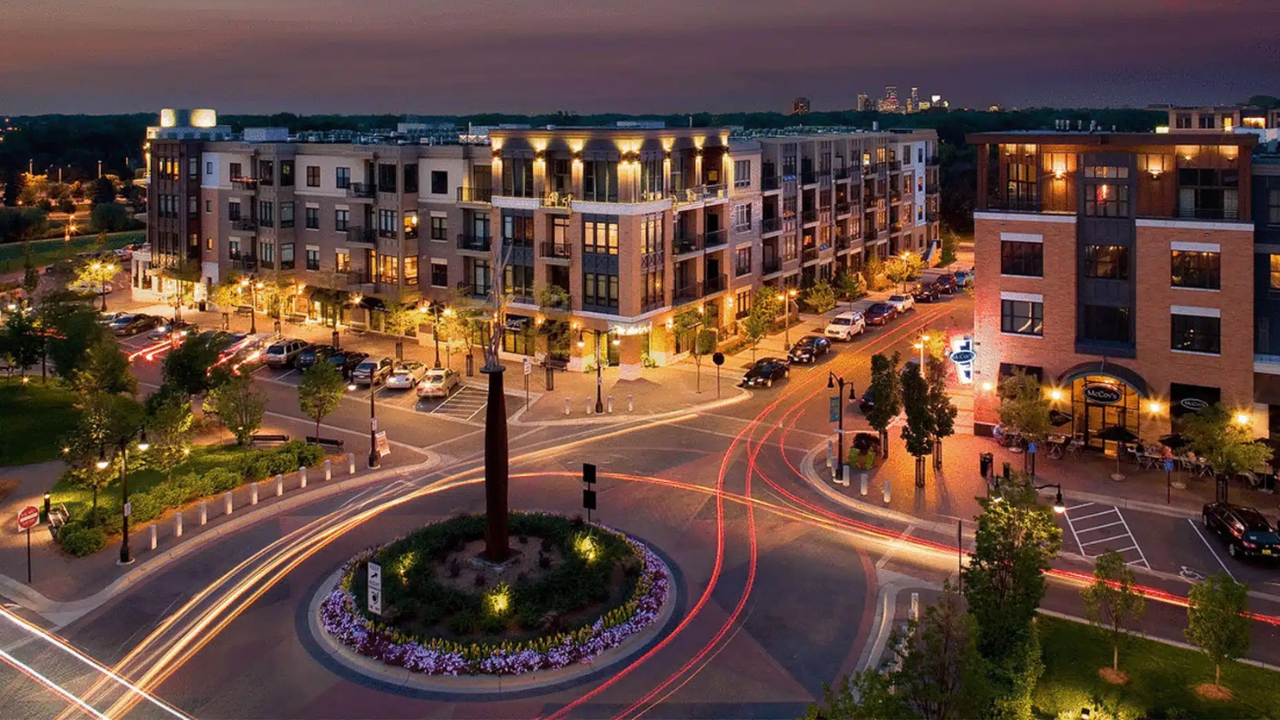
Living in St. Louis Park, MN: A Connected Community with Strong Market Appeal
The enduring appeal of St. Louis Park lies in its versatility. It attracts first-time buyers, growing families, and retirees alike—all seeking a neighborhood that offers both connection and comfort.
With strong schools, easy access to downtown, and a diverse housing mix, this suburb continues to be one of the Twin Cities’ top real estate markets. Whether you’re looking for a classic rambler or a new luxury build, St. Louis Park offers a lifestyle that feels both established and forward-looking.
Few Twin Cities suburbs balance urban convenience with neighborhood comfort like St. Louis Park, MN. Bordering Minneapolis to the west, this vibrant community of about 50,000 residents offers easy access to city amenities while maintaining a small-town feel. With its top-rated schools, diverse housing stock, and consistent real estate appreciation, St. Louis Park real estate remains one of the most sought-after markets in the Twin Cities.
Lifestyle: Urban Access with Suburban Ease
St. Louis Park offers the best of both worlds—proximity to downtown Minneapolis and a walkable, family-friendly neighborhood environment. Residents enjoy short commutes to major employers, access to boutique shopping, and plenty of green space.
The West End district serves as the city’s social and entertainment hub. With destinations like CRAVE, The Loop, and the ShowPlace ICON Theatre, it’s a go-to spot for dining, shopping, and nightlife. The area’s growing collection of condos and apartments has also become popular with professionals seeking modern living near Highway 100 and Interstate 394.

For outdoor recreation, residents enjoy Cedar Lake Regional Trail, a direct connection to Minneapolis and the western suburbs. Wolfe Park, Aquila Park, and Bass Lake Preserve offer year-round activities, from farmers markets and sports leagues to community concerts.
Schools: Academic Excellence with Community Support
Families are drawn to St. Louis Park Public Schools (ISD 283) for their strong academics and community engagement. The district includes four elementary schools, a middle school, and St. Louis Park High School, known for its International Baccalaureate (IB) program and diverse student body.
Private education options nearby include Benilde-St. Margaret’s, Blake School, and Groves Academy, providing a range of specialized and college-prep programs. Parents appreciate the community’s emphasis on inclusion and innovation, with programs that prepare students for success in higher education and beyond.
Considering Relocating??? Let’s Talk!
Market Trends: Strong Demand and Steady Appreciation
As of fall 2025, the St. Louis Park housing market continues to show strength despite shifts in interest rates. Median home prices average around $430,000, up roughly 4% year-over-year according to NorthstarMLS data.
Inventory remains limited, and well-maintained homes often sell within 25–30 days. Properties near the West End, Fern Hill, and Minikahda Vista neighborhoods see particularly strong competition.
Condos and townhomes along the Green Line Extension corridor are becoming increasingly attractive to young professionals and downsizers seeking low-maintenance, transit-connected living.
Housing Stock: Classic Charm Meets Modern Design
St. Louis Park’s architecture tells the story of its evolution. From post-war ramblers and Cape Cods to 1950s split-levels, the city’s homes are known for quality construction and timeless design.
Neighborhoods like Fern Hill and Minikahda Vista feature Tudor and Colonial-style homes, many within walking distance of the Minneapolis lakes. Meanwhile, new construction throughout the city adds modern layouts, energy-efficient systems, and contemporary finishes.
Luxury townhomes near the West End and boutique condos along Highway 100 cater to buyers who want modern comfort without losing proximity to the city’s amenities.
Market Outlook: Balanced Opportunities for Buyers and Sellers
The St. Louis Park real estate market currently offers a balanced environment. Sellers benefit from limited inventory, while buyers gain more leverage as price appreciation steadies.
Homes that are updated, staged, and priced competitively still attract multiple offers, especially in walkable areas near trails and shopping districts. For sellers, strategic timing—particularly in late spring or early summer—can make a measurable difference in sale price and time on market.
Why St. Louis Park Continues to Shine
The enduring appeal of St. Louis Park lies in its versatility. It attracts first-time buyers, growing families, and retirees alike—all seeking a neighborhood that offers both connection and comfort.
With strong schools, easy access to downtown, and a diverse housing mix, this suburb continues to be one of the Twin Cities’ top real estate markets. Whether you’re looking for a classic rambler or a new luxury build, St. Louis Park offers a lifestyle that feels both established and forward-looking.
Ready to Explore St. Louis Park Real Estate?
Thinking about buying or selling in St. Louis Park? Contact Nick Sundahl with Lakes Sotheby’s International Realty for expert guidance in today’s Twin Cities market.